
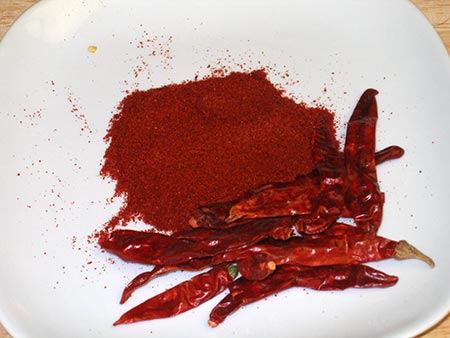
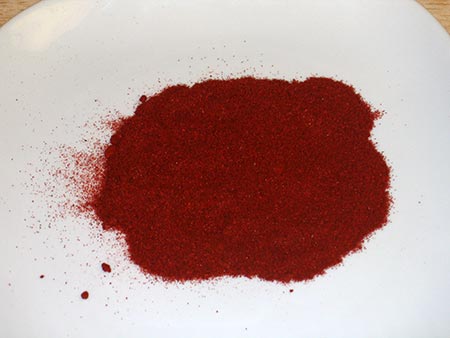
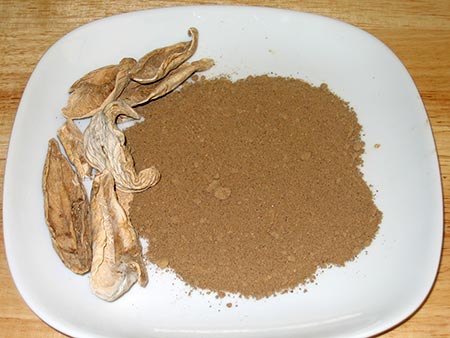
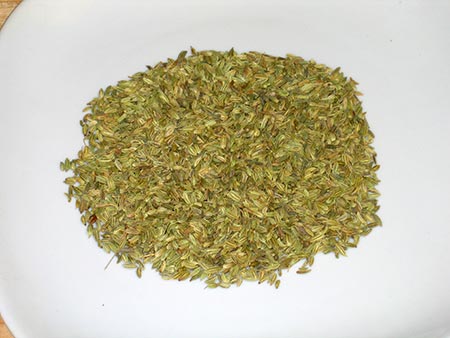
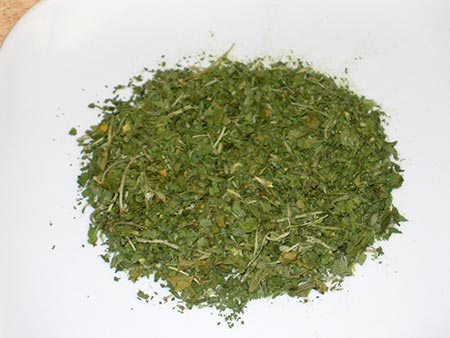
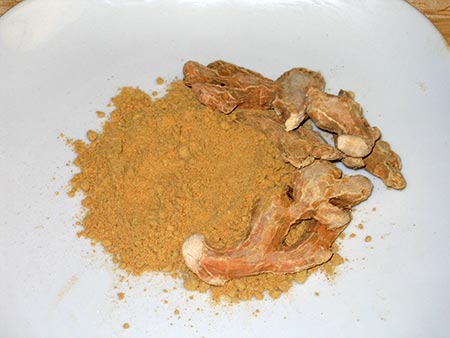
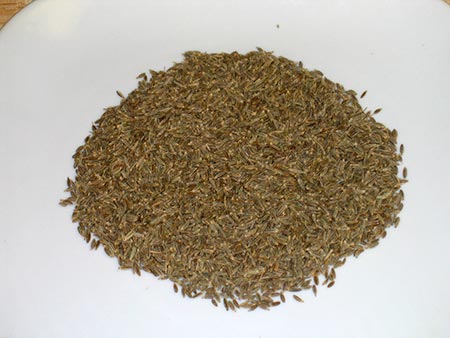
Indian cuisine is renowned for its bold flavors, aromatic ingredients, and the intricate use of spices that create a symphony of taste in every dish. The cornerstone of this culinary tradition is undoubtedly the diverse range of Indian spices. Let’s embark on a journey to explore the essential Indian spices list, understand the role of Indian food spices, and uncover some delightful Indian spices recipes.
Essential Indian Spices
The backbone of any Indian kitchen, spices are more than just flavoring agents; they are the soul of Indian cooking. Here are some must-have spices that feature prominently in the Indian spices list:
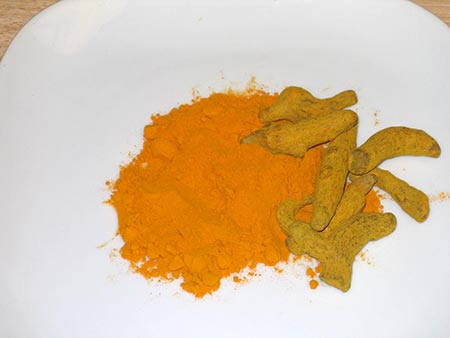
Turmeric (Haldi) Known for its vibrant yellow color and earthy flavor, turmeric is an essential spice in Indian food spices. It’s not only used for its taste but also for its health benefits, including anti-inflammatory properties.
Cumin (Jeera) Cumin seeds have a warm, nutty flavor and are often used in both whole and ground forms. This spice is a staple in many Indian spices recipes, adding depth to curries, stews, and even beverages like jeera water.
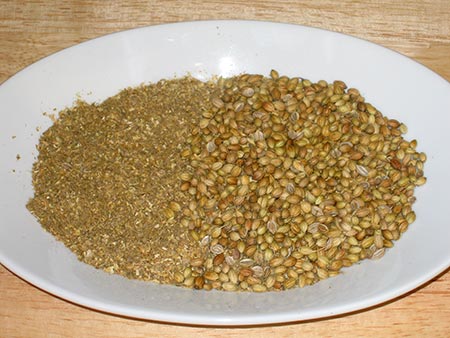
Coriander (Dhaniya) Coriander seeds and powder are integral to Indian spices recipes. They impart a citrusy flavor that balances out the heat of other spices. Coriander leaves, also known as cilantro, are often used as a garnish.
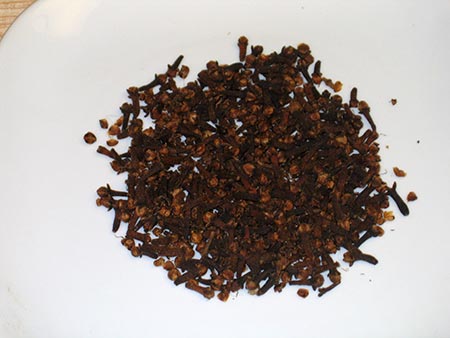
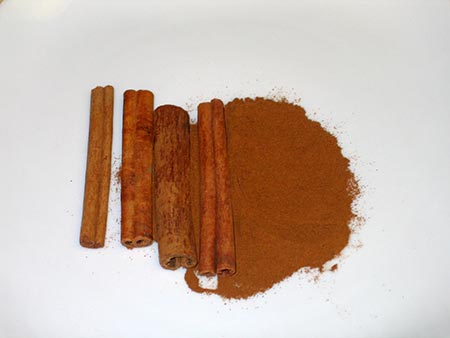
Garam Masala A quintessential blend of various spices including cinnamon, cloves, and cardamom, garam masala is a cornerstone of Indian food spices. It’s typically added towards the end of cooking to enhance the flavor of the dish.
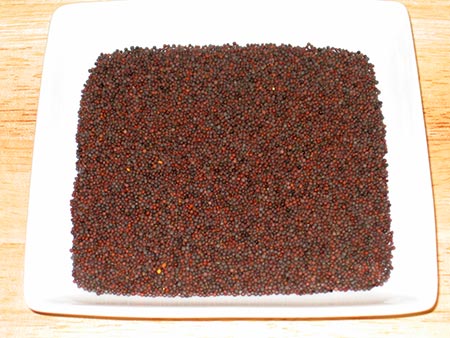
Mustard Seeds (Rai) These tiny seeds are commonly used in Indian spices recipes for tempering. They have a pungent flavor that adds a unique touch to dals and vegetable dishes.
To truly appreciate the magic of Indian spices, let’s delve into some recipes that showcase their versatility and flavor.
Tandoori Masala
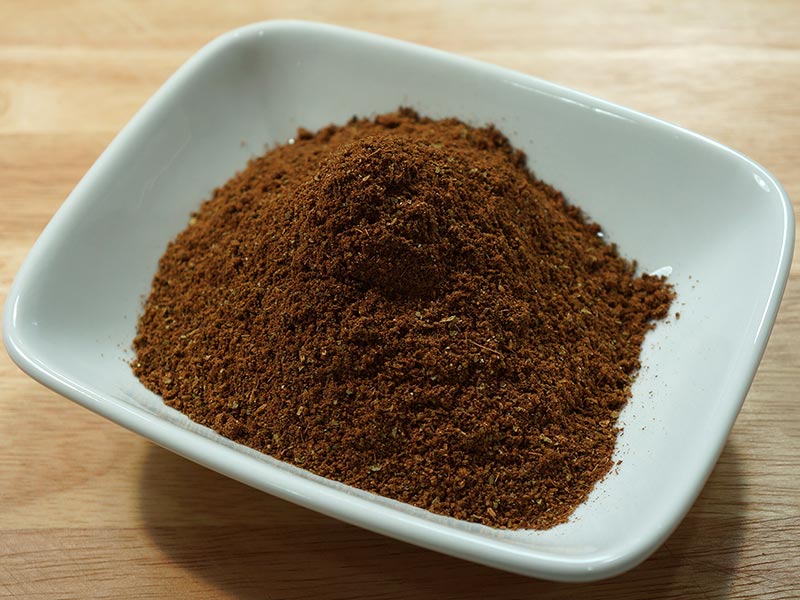
Tandoori Masala is a spice mix used to marinate vegetables, paneer, mushroom etc. before cooking them in a tandoor or oven. This blend typically includes a mix of Indian spices like cumin, coriander, turmeric, and cayenne pepper. Marinate your ingredients with yogurt and this spice mix for a flavorful and aromatic dish. Its one of the popular north Indian recipes that is most consumed in northern parts of india.
Chana Masala
A beloved dish in Indian cuisine, Chana Masala features chickpeas cooked in a spiced tomato gravy. The robust flavors come from a blend of Indian food spices including cumin, coriander, turmeric, and garam masala. This dish pairs wonderfully with rice or naan, making it a staple in many households.
Enhancing Your Indian Spices Knowledge
To deepen your understanding and use of these Indian spices, consider exploring dishes from various categories. Indian Snacks like samosas or pakoras often use a combination of these spices for their distinctive flavors. For a sweet touch, Indian Desserts Recipes like spiced carrot halwa or masala chai bring a unique twist to traditional sweets. Incorporating Healthy Recipes like spiced lentil soup or turmeric-infused dishes can provide nutritious options without compromising on taste.
More Indian Spices Recipes
Rasam
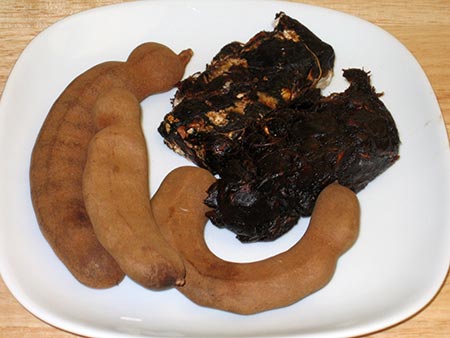
Rasam is a tangy and spicy soup coming from south indian recipes made with tamarind, tomatoes, and a blend of Indian spices such as mustard seeds, cumin, and black pepper. It’s a comforting dish that’s perfect for a light meal or a starter.
Biryani Masala
A fragrant and flavorful spice mix, Biryani Masala is essential for making the iconic biryani. This blend includes cardamom, cloves, cinnamon, and other spices, providing the rich aroma and complex taste that biryani is known for. Use this spice blend to elevate your rice dishes and bring an authentic touch to your cooking. Biryani comes from indian rice recipes that are popular both in the south and in the north while up north spices are minimal but process is slow in south the spices are rich and process may be shorter.
A: Some essential Indian spices include turmeric, cumin, coriander, garam masala, and mustard seeds. These spices form the foundation of many Indian spices recipes.
A: Indian spices can be used in various ways, such as in spice blends like garam masala or tandoori masala, or individually in dishes like curries, stews, and even desserts. Explore different Indian spices recipes to see how these spices can enhance your meals.
A: Whole spices retain their flavor longer and can be toasted or ground as needed. Ground spices are more convenient but may lose their potency over time. Both forms are commonly used in Indian food spices.
A: Absolutely! Indian spices like cumin, turmeric, and coriander can add a delightful twist to non-Indian dishes. Experimenting with these spices can lead to exciting new flavors in your cooking.
A: Many Indian spices have health benefits. Turmeric is known for its anti-inflammatory properties, cumin aids digestion, and coriander has antioxidant properties. Including these spices in your diet can contribute to overall well-being.
Conclusion
Exploring the world of Indian spices is like opening a treasure chest of flavors and aromas. Whether you’re looking for an Indian spices list to stock your pantry, seeking to understand the role of Indian food spices, or eager to try new Indian spices recipes, this journey promises to be a flavorful adventure.
So, gather your spices, experiment with new recipes, and enjoy the rich and diverse world of Indian cuisine. Happy cooking and happy eating!
By incorporating these spices and recipes into your cooking, you’ll be able to enjoy a wide variety of delicious and nutritious foods.
Whether you’re preparing snacks, main courses, or desserts, there’s a spice that can elevate your dish. Don’t forget to check out Manjula’s Kitchen for more inspiration and culinary delights. Happy cooking and happy eating!

Last Updated: January 2026
Welcome to Manjula’s Kitchen (“Company,” “we,” “our,” or “us”). These Terms & Conditions (“Terms”) govern your access to and use of the website manjulaskitchen.com (the “Website”).
By accessing or using the Website, you agree to be bound by these Terms. If you do not agree, please do not use the Website.
By using this Website, you represent that you have read, understood, and agree to be bound by these Terms and by our Privacy Policy. These Terms apply to all visitors, users, and others who access the Website.
You may use the Website solely for personal, non-commercial purposes. You agree not to:
We reserve the right to restrict or terminate access to the Website for violations of these Terms.
All content on this Website, including but not limited to recipes, text, photographs, videos, graphics, logos, and design elements, is owned by or licensed to Manjula’s Kitchen and is protected by copyright, trademark, and other intellectual property laws.
You may not reproduce, distribute, or create derivative works from our content without express written permission.
If you submit or post content to the Website (including comments, recipes, images, or feedback), you grant Manjula’s Kitchen a non-exclusive, royalty-free, worldwide, perpetual license to use, reproduce, display, and distribute such content.
You represent that:
We reserve the right to remove user content at our discretion.
While we strive to ensure that information on the Website is accurate and up to date, we do not guarantee the completeness, reliability, or accuracy of any content, including recipes, cooking instructions, or nutritional information.
Content is provided for informational purposes only and may change without notice.
The Website may contain links to third-party websites or services. These links are provided for convenience only. We do not control and are not responsible for the content, policies, or practices of third-party websites.
Accessing third-party links is at your own risk.
The Website and its content are provided on an “as is” and “as available” basis without warranties of any kind, express or implied, including but not limited to warranties of accuracy, reliability, or fitness for a particular purpose.
We do not warrant that the Website will be uninterrupted, error-free, or secure.
To the fullest extent permitted by law, Manjula’s Kitchen shall not be liable for any indirect, incidental, consequential, or special damages arising out of or related to your use of the Website or reliance on its content.
Your sole remedy for dissatisfaction with the Website is to discontinue use.
You agree to indemnify and hold harmless Manjula’s Kitchen from any claims, damages, liabilities, or expenses arising out of your use of the Website, violation of these Terms, or infringement of any third-party rights.
These Terms shall be governed by and construed in accordance with the laws of the applicable jurisdiction, without regard to conflict of law principles.
We reserve the right to modify or update these Terms at any time. Changes will be effective immediately upon posting to the Website. Your continued use of the Website constitutes acceptance of the revised Terms.
We may suspend or terminate access to the Website at any time, without notice, for conduct that violates these Terms or is otherwise harmful to us or other users.
If you have any questions regarding these Terms & Conditions, please contact us via the Website’s contact page or at