
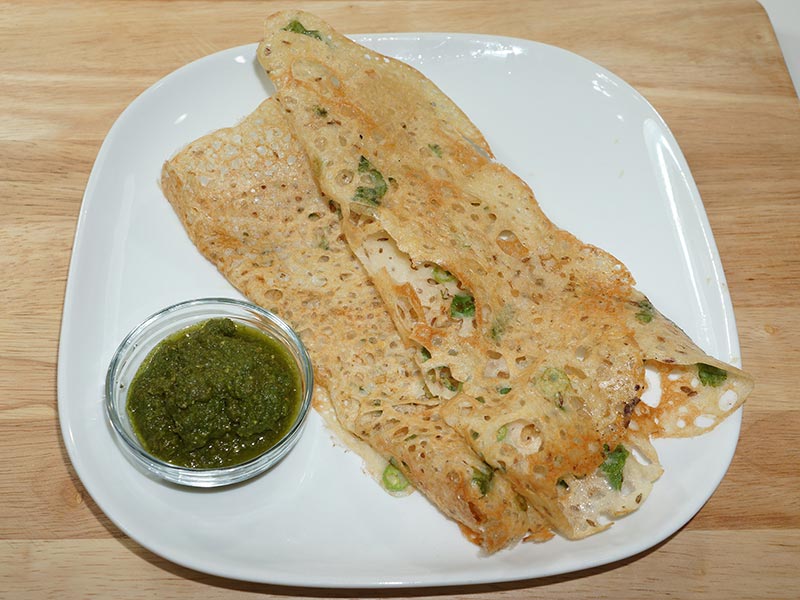
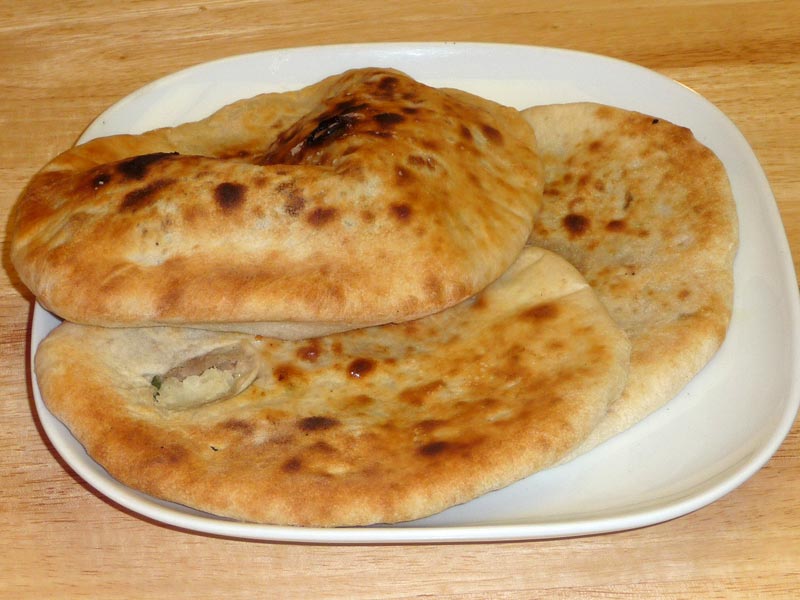
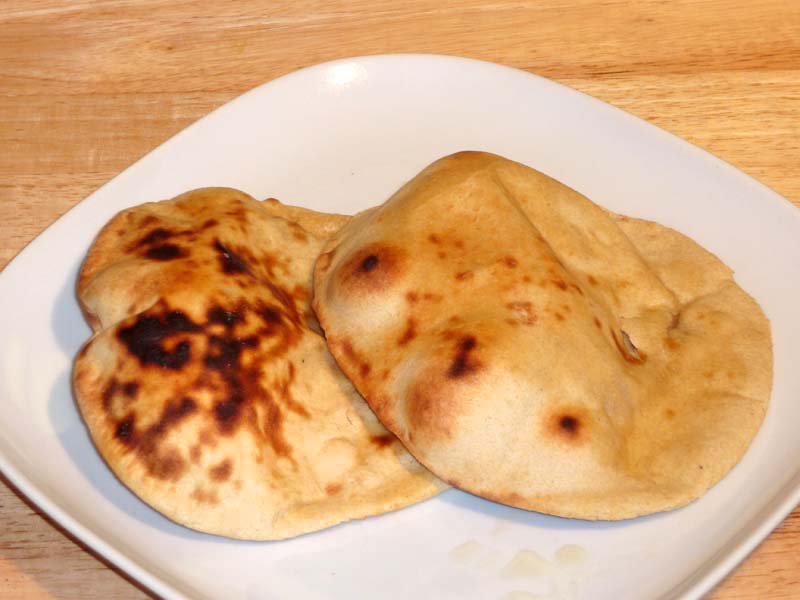
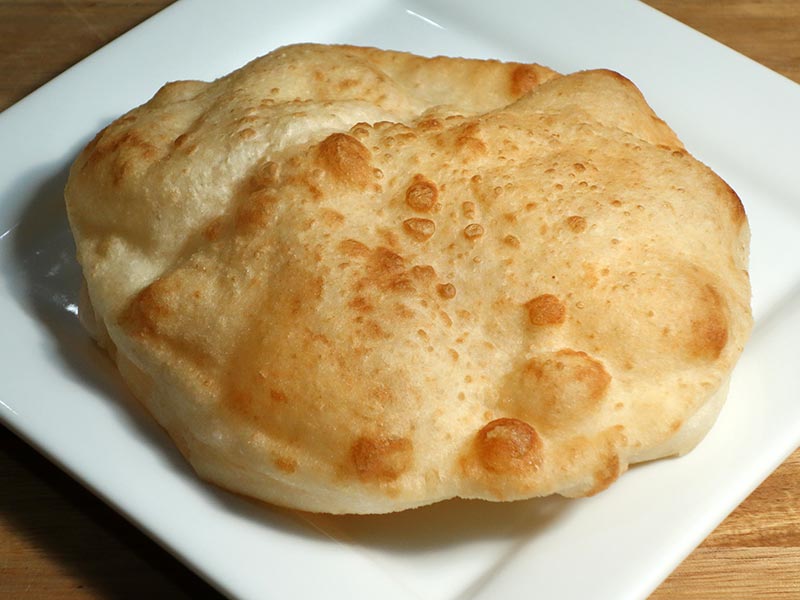

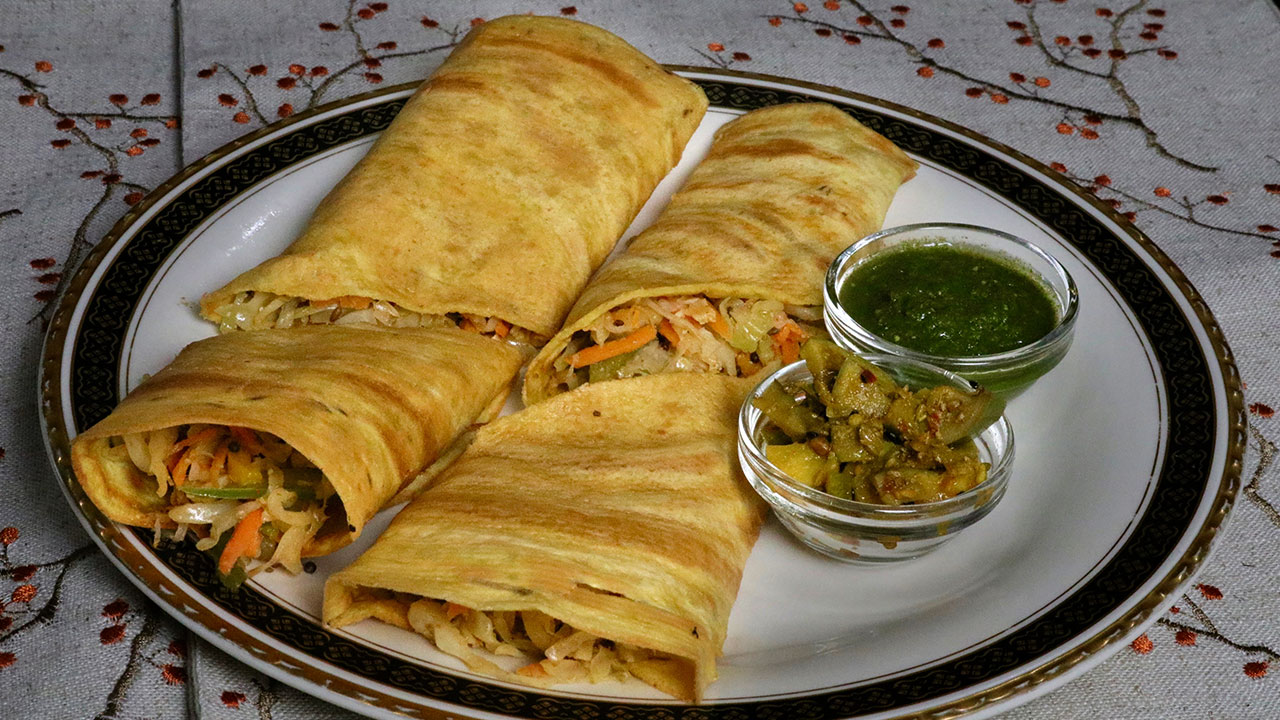
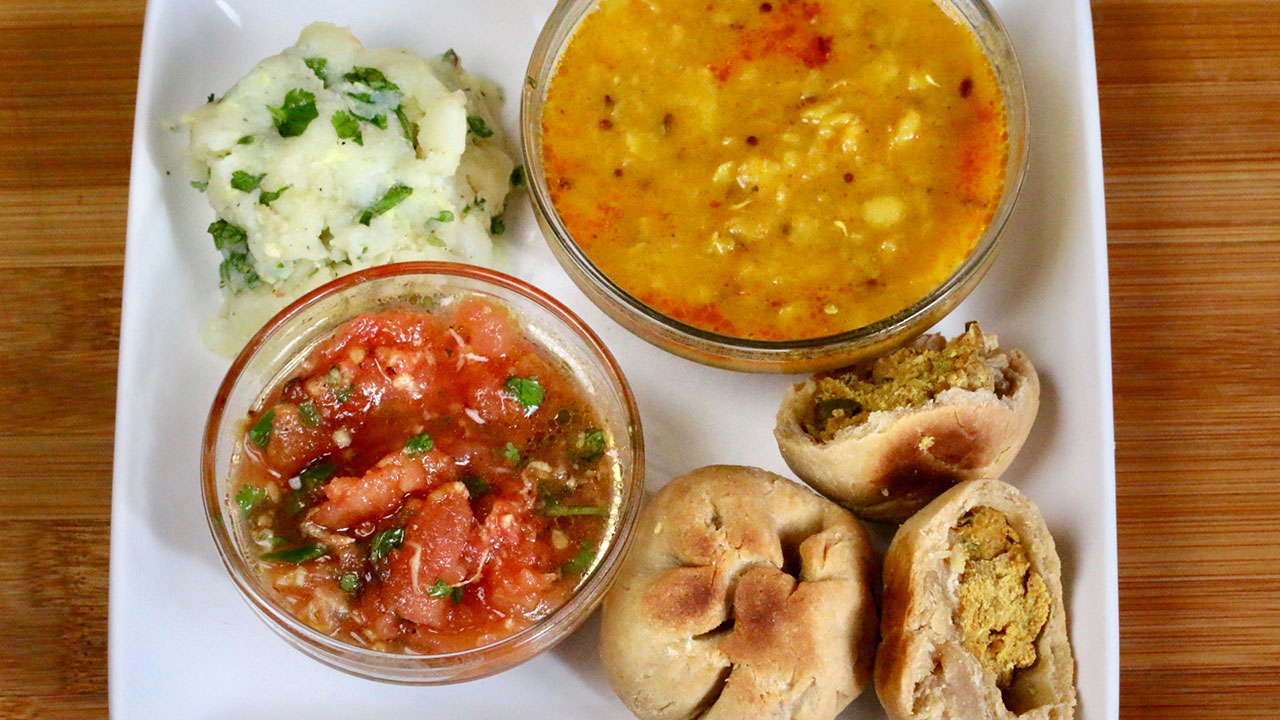
When it comes to the cornerstone of Indian cuisine, Indian bread plays a crucial role. These delicious Indian breads are not only a staple in every household but also reflect the rich culinary heritage of India. From soft and fluffy to crispy and flaky, there’s a variety of Indian breads to complement every meal. Let’s explore some of the most popular types of Indian bread that you can easily prepare at home.
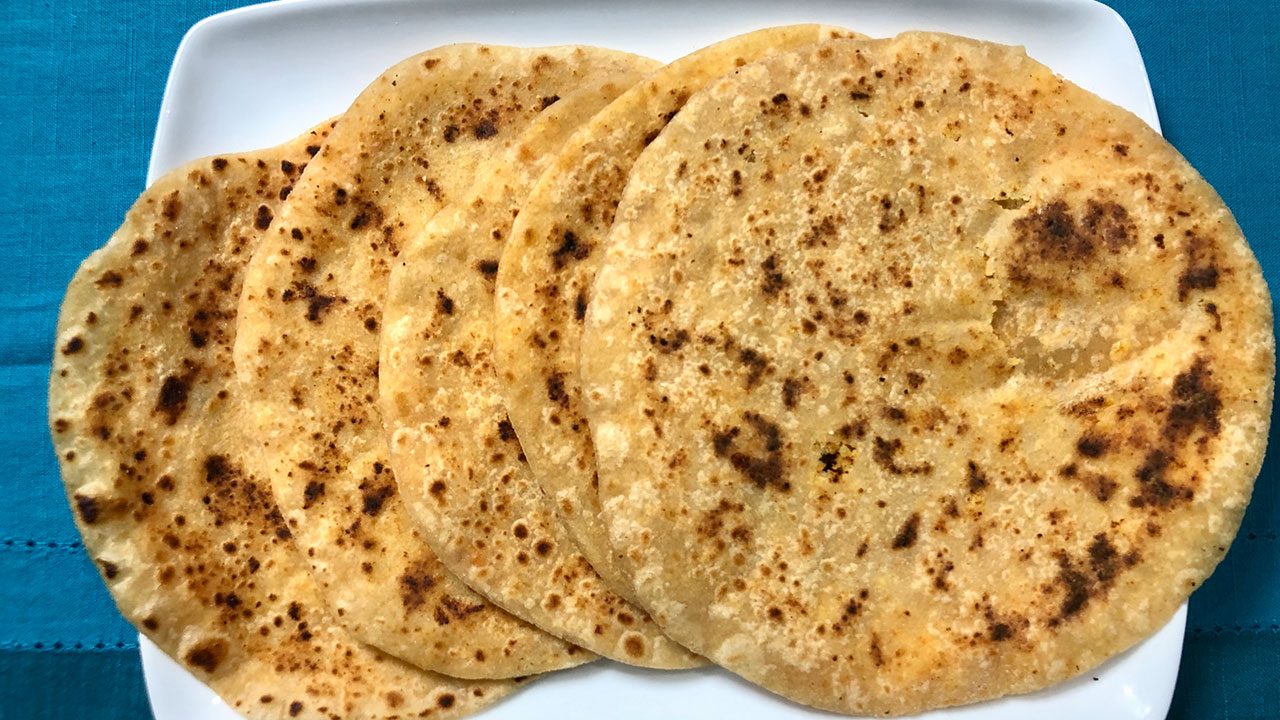
The roti is perhaps the most iconic Indian flat bread. Made from whole wheat flour, water, and a pinch of salt, this flatbread is cooked on a hot griddle until puffed and golden brown. Whether served with curries or used as a wrap, roti is a favorite among all age groups. This delicious Indian bread is also perfect for pairing with vegetable curry for a wholesome meal. Additionally, roti can be included in healthy indian recipes due to its high fiber content.
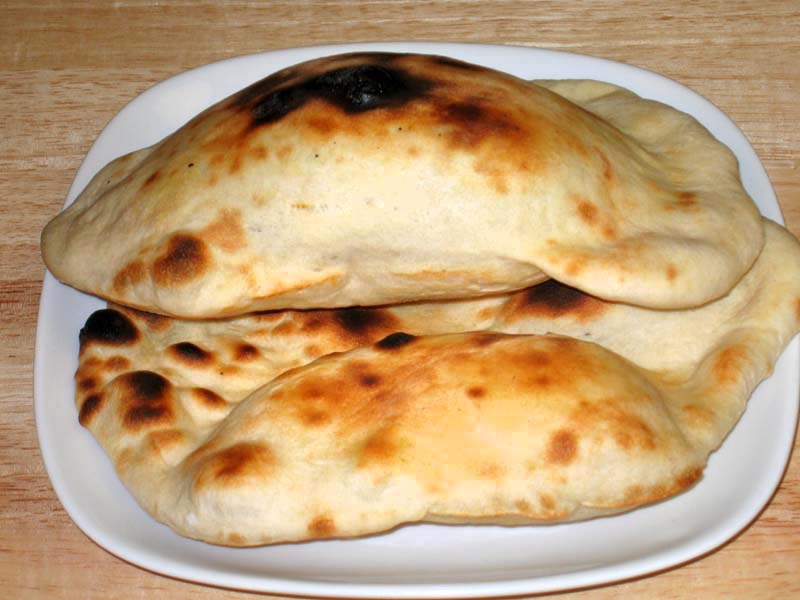
Naan oven is another beloved Indian bread. This leavened flatbread is traditionally baked in a tandoor oven, giving it a unique smoky flavor and a soft, chewy texture. Naan is often brushed with butter , making it a perfect accompaniment to rich and flavorful dishes. Naan is a popular Indian bread that can also be enjoyed as part of party recipes. Furthermore, naan can be a highlight in fusion recipes, such as naan pizza, blending Indian and Western cuisines.
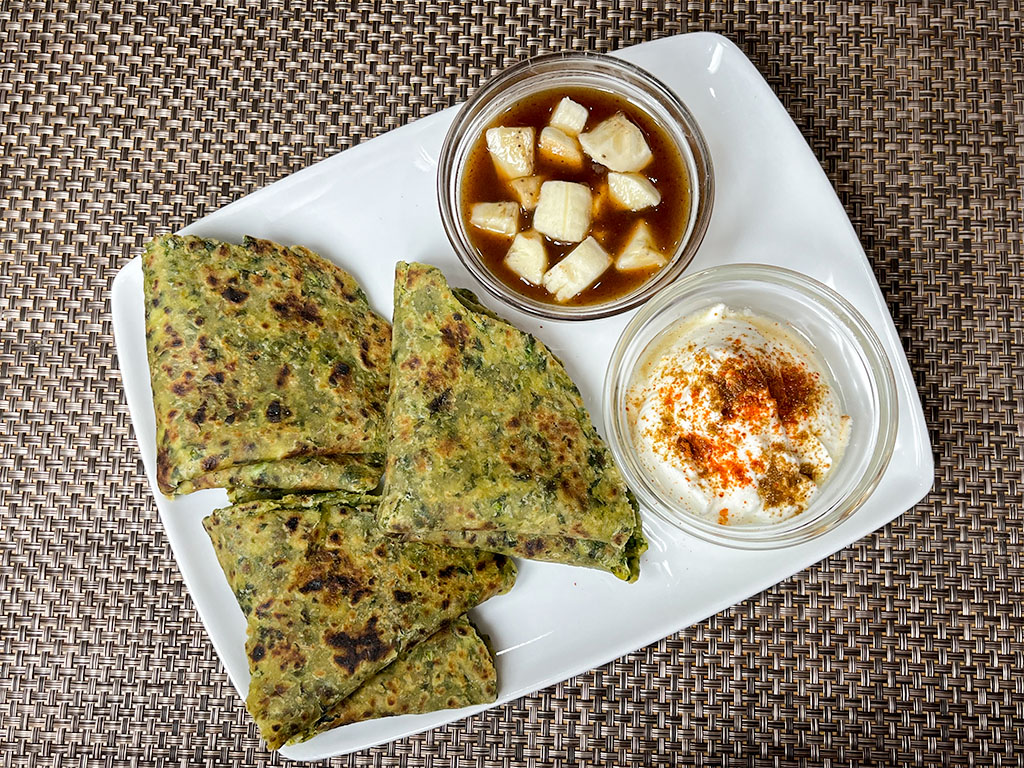
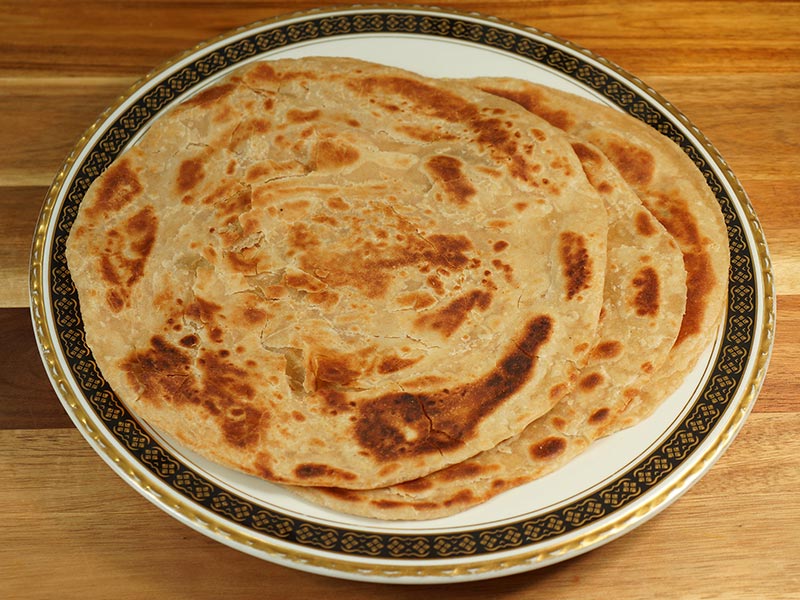
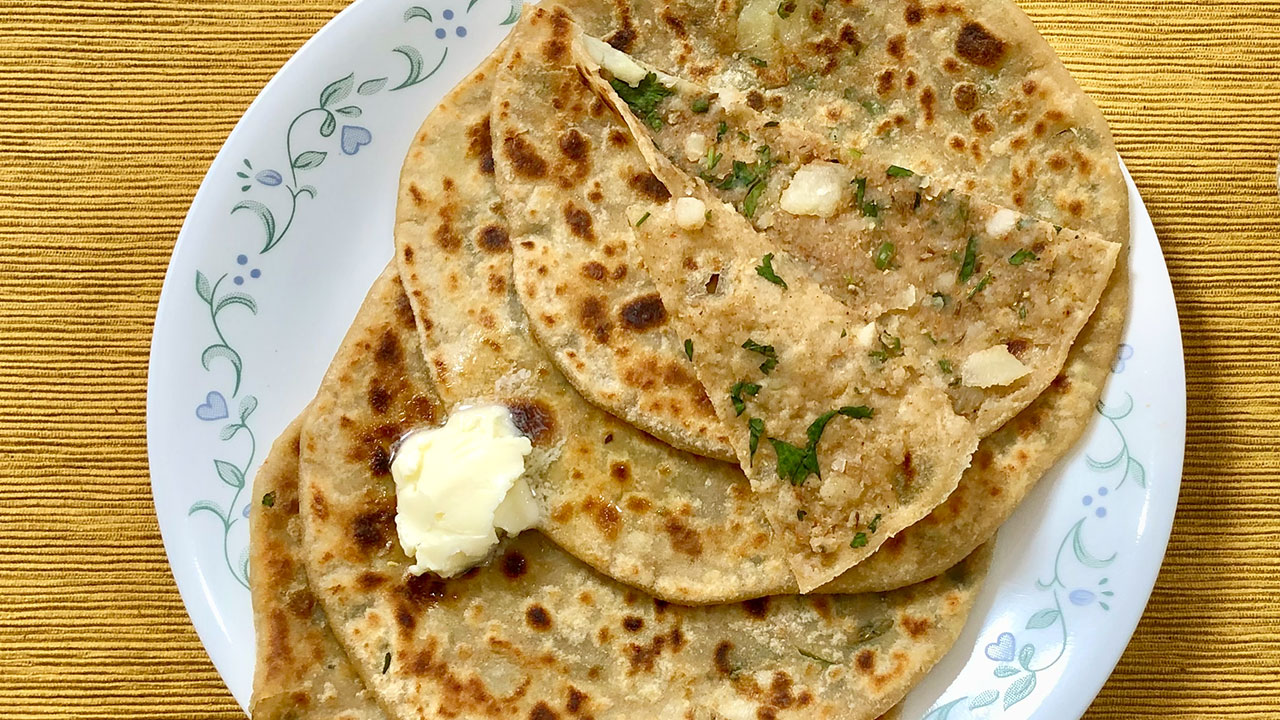
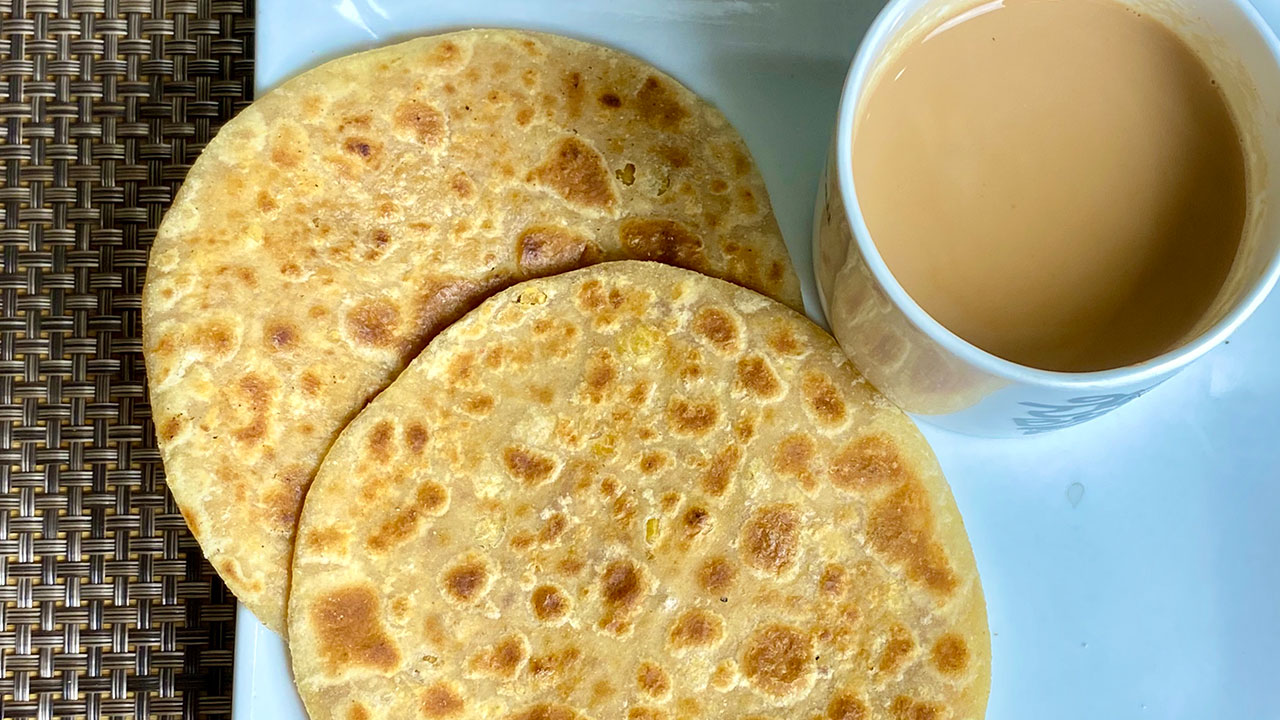
Paratha is a versatile Indian flat bread that can be plain or stuffed with various fillings such as potatoes, paneer, or spinach. This layered flatbread is cooked with ghee or oil, resulting in a crispy and flaky texture. Paratha is a type of Indian flatbread that can be enjoyed for breakfast, lunch, or dinner. For a twist, you can explore fusion recipes, combining paratha with other cuisines to create unique flavors. Paratha can also be part of your popular Indian breakfast recipes collection.
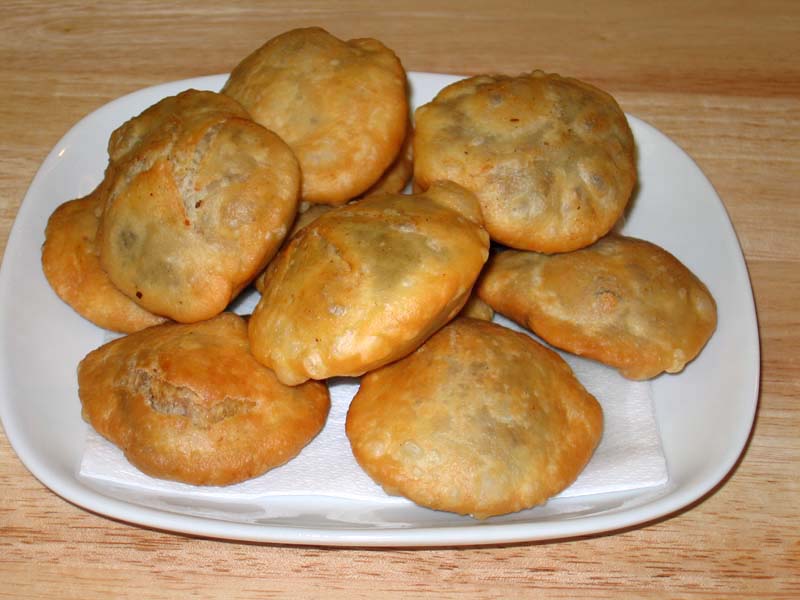
For those who love fried bread, Puri is the ultimate Indian bread. This deep-fried bread is made from unleavened dough, resulting in a puffed, golden-brown delight. Puri is not only delicious but also perfect for festive occasions and special meals. Puri pairs wonderfully with vegetables curry and can be included in Indian festival recipes such as Diwali and Holi. If you enjoy experimenting with flavors, trying fusion puri tacos can be an exciting culinary adventure. Including puri in your traditional Indian flatbread recipes list is sure to impress guests.
Hailing from the northern regions of India, Bhatura is a thick, leavened bread that is deep-fried until fluffy and golden. This best Indian bread is typically enjoyed with chole (spiced chickpea curry) and is a favorite in Punjabi cuisine. It’s also a fantastic option for those looking for comfort food recipes. Additionally, bhatura can be considered one of the party recipes due to its rich and indulgent taste. Bhatura is a versatile bread that can be enjoyed in various forms, such as adding it to a lunch box for a special treat.
To elevate your bread experience, explore related categories that complement the delightful flavors of Indian bread. Pairing curry vegetables with roti or naan creates a complete meal, while healthy recipes provide lighter versions of your favorite breads.
If you love experimenting with flavors, the fusion category offers innovative recipes blending Indian flavors with other cuisines. Embrace the vibrant taste of India’s culinary traditions with traditional Indian recipes, and indulge in comforting versions of your favorite breads with comfort food recipes.
For festive occasions, festival recipes like puri and bhatura are both delicious and celebratory. Including popular Indian breakfast recipes like paratha in your meal plan ensures a nutritious and satisfying start to your day.
Many types of Indian bread, such as naan and paratha, make great additions to party recipes, providing a satisfying meal for guests. Hosting a celebration? The lunch box category includes breads like roti and paratha, perfect for convenient and delicious on-the-go meals.
Popular types of Indian bread include naan, roti, paratha, and chapati. Each of these varieties can be made using an Indian bread recipe that highlights traditional ingredients and cooking methods.
To make a basic Indian flatbread recipe at home, you will need ingredients like whole wheat flour, water, and a pinch of salt. Mix the ingredients to form a dough, roll it out into thin discs, and cook on a hot griddle until golden brown. You can follow various Indian recipes to add different flavors and styles.
Naan and roti are both popular in Indian bread recipes, but they differ in preparation and texture. Naan is typically made with all-purpose flour, yeast, and yogurt, resulting in a softer, leavened bread. Roti, on the other hand, is made with whole wheat flour and is unleavened, giving it a more chewy texture. Both can be found in many Indian recipes.
Yes, many Indian flatbread recipes can be adapted to be gluten-free by using alternative flours such as chickpea flour or rice flour. These flours can replicate the texture and flavor of traditional breads, allowing those with gluten sensitivities to enjoy classic Indian recipes.
To perfect an Indian bread recipe, ensure that the dough is kneaded well and rested before cooking. Using a hot griddle or tawa is crucial for even cooking. Additionally, experimenting with different ingredients and techniques from various Indian recipes can help you achieve the desired texture and flavor.
If you need more information or detailed Indian bread recipes, don’t hesitate to ask!
Indian bread is more than just a side dish; it is a celebration of flavors and culinary traditions. Whether you’re hosting a party or simply want to enjoy a tasty bread, these delicious Indian breads will never disappoint. So, gather your ingredients and try out these types of Indian bread today. And don’t forget to find vegetarian recipes related categories for more delightful recipes from Manjula’s Kitchen!
By incorporating these breads into your culinary repertoire, you’ll be able to enjoy a wide variety of delicious and nutritious meals. Whether you’re looking for a quick snack, a healthy option, or a popular party recipe, there’s an Indian bread to suit every occasion. Happy cooking!

Last Updated: January 2026
Welcome to Manjula’s Kitchen (“Company,” “we,” “our,” or “us”). These Terms & Conditions (“Terms”) govern your access to and use of the website manjulaskitchen.com (the “Website”).
By accessing or using the Website, you agree to be bound by these Terms. If you do not agree, please do not use the Website.
By using this Website, you represent that you have read, understood, and agree to be bound by these Terms and by our Privacy Policy. These Terms apply to all visitors, users, and others who access the Website.
You may use the Website solely for personal, non-commercial purposes. You agree not to:
We reserve the right to restrict or terminate access to the Website for violations of these Terms.
All content on this Website, including but not limited to recipes, text, photographs, videos, graphics, logos, and design elements, is owned by or licensed to Manjula’s Kitchen and is protected by copyright, trademark, and other intellectual property laws.
You may not reproduce, distribute, or create derivative works from our content without express written permission.
If you submit or post content to the Website (including comments, recipes, images, or feedback), you grant Manjula’s Kitchen a non-exclusive, royalty-free, worldwide, perpetual license to use, reproduce, display, and distribute such content.
You represent that:
We reserve the right to remove user content at our discretion.
While we strive to ensure that information on the Website is accurate and up to date, we do not guarantee the completeness, reliability, or accuracy of any content, including recipes, cooking instructions, or nutritional information.
Content is provided for informational purposes only and may change without notice.
The Website may contain links to third-party websites or services. These links are provided for convenience only. We do not control and are not responsible for the content, policies, or practices of third-party websites.
Accessing third-party links is at your own risk.
The Website and its content are provided on an “as is” and “as available” basis without warranties of any kind, express or implied, including but not limited to warranties of accuracy, reliability, or fitness for a particular purpose.
We do not warrant that the Website will be uninterrupted, error-free, or secure.
To the fullest extent permitted by law, Manjula’s Kitchen shall not be liable for any indirect, incidental, consequential, or special damages arising out of or related to your use of the Website or reliance on its content.
Your sole remedy for dissatisfaction with the Website is to discontinue use.
You agree to indemnify and hold harmless Manjula’s Kitchen from any claims, damages, liabilities, or expenses arising out of your use of the Website, violation of these Terms, or infringement of any third-party rights.
These Terms shall be governed by and construed in accordance with the laws of the applicable jurisdiction, without regard to conflict of law principles.
We reserve the right to modify or update these Terms at any time. Changes will be effective immediately upon posting to the Website. Your continued use of the Website constitutes acceptance of the revised Terms.
We may suspend or terminate access to the Website at any time, without notice, for conduct that violates these Terms or is otherwise harmful to us or other users.
If you have any questions regarding these Terms & Conditions, please contact us via the Website’s contact page or at