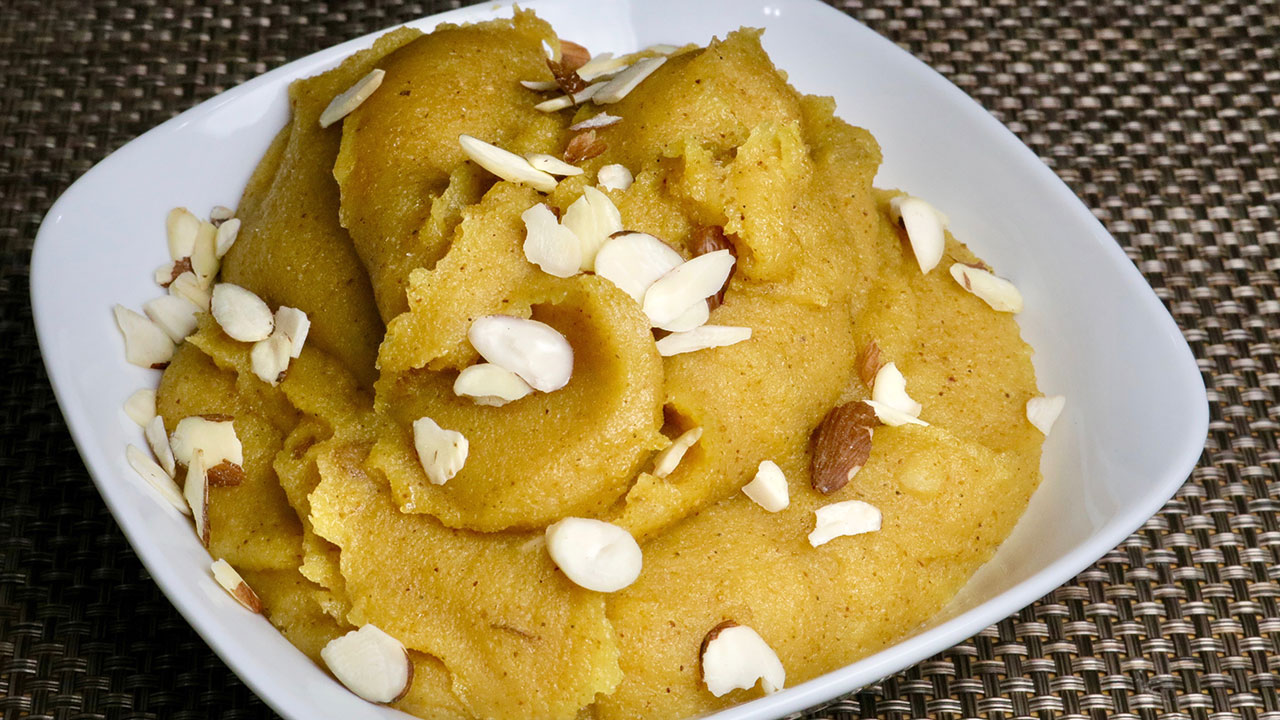

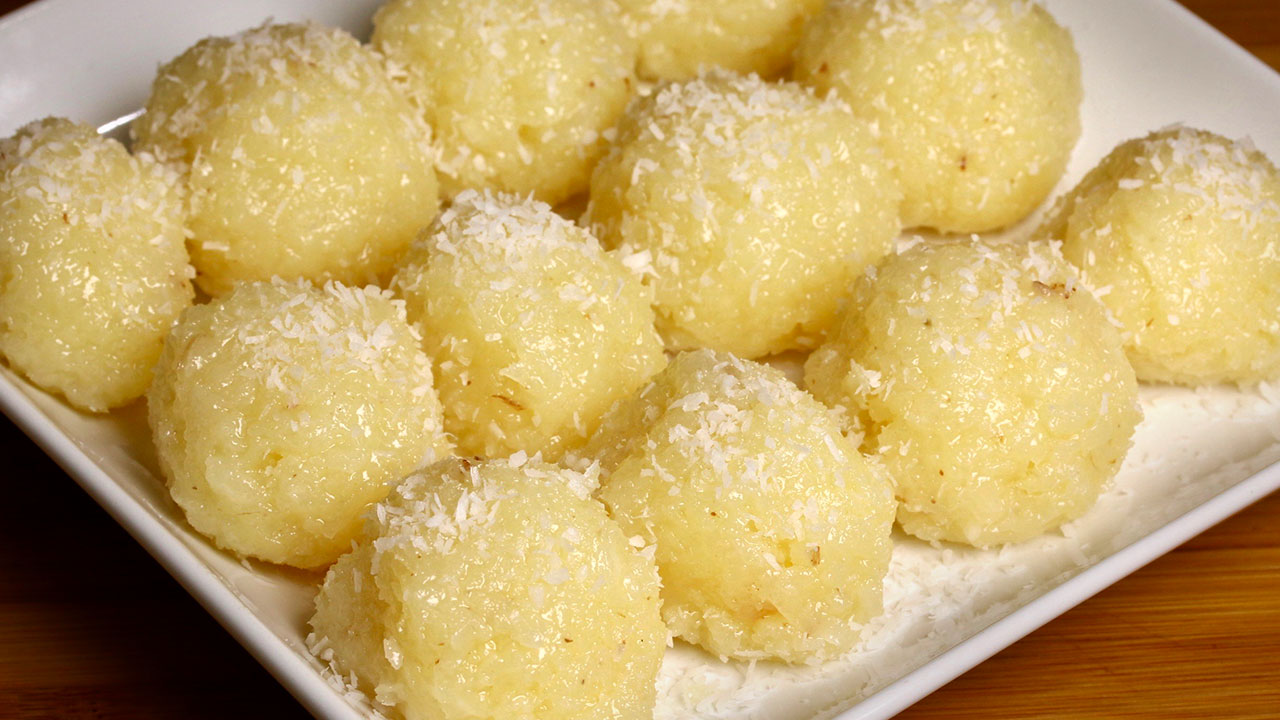
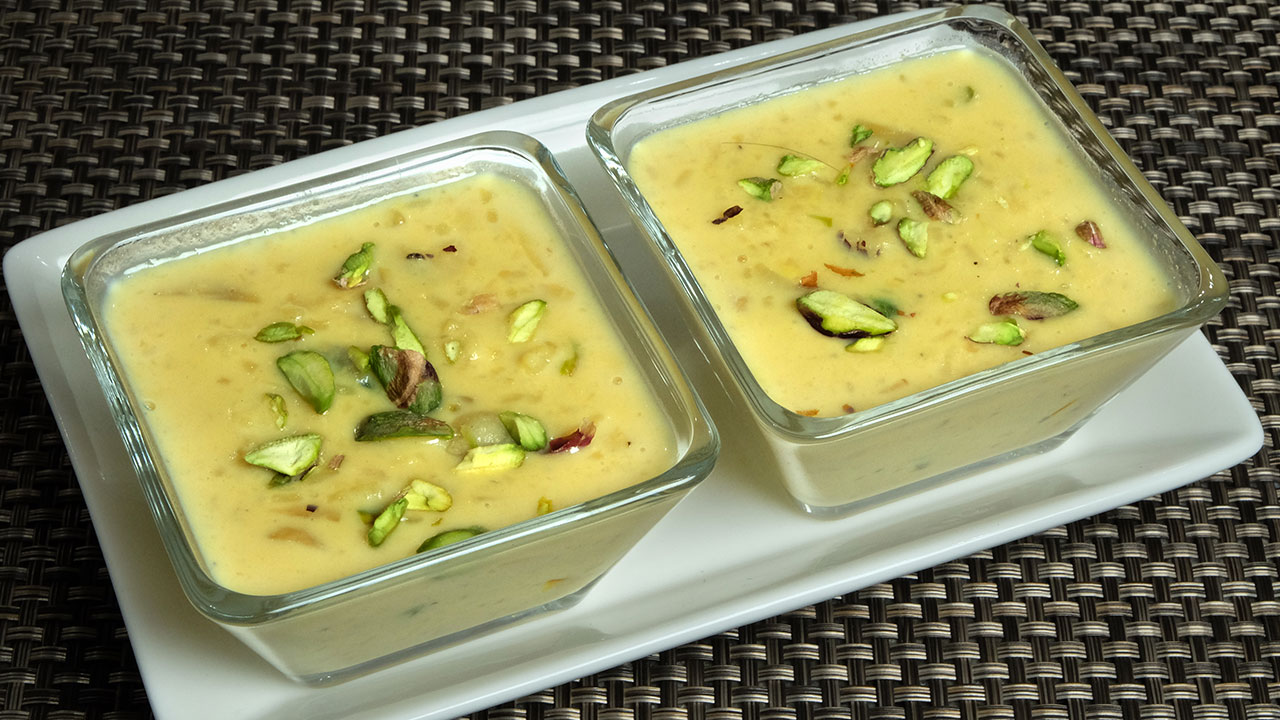
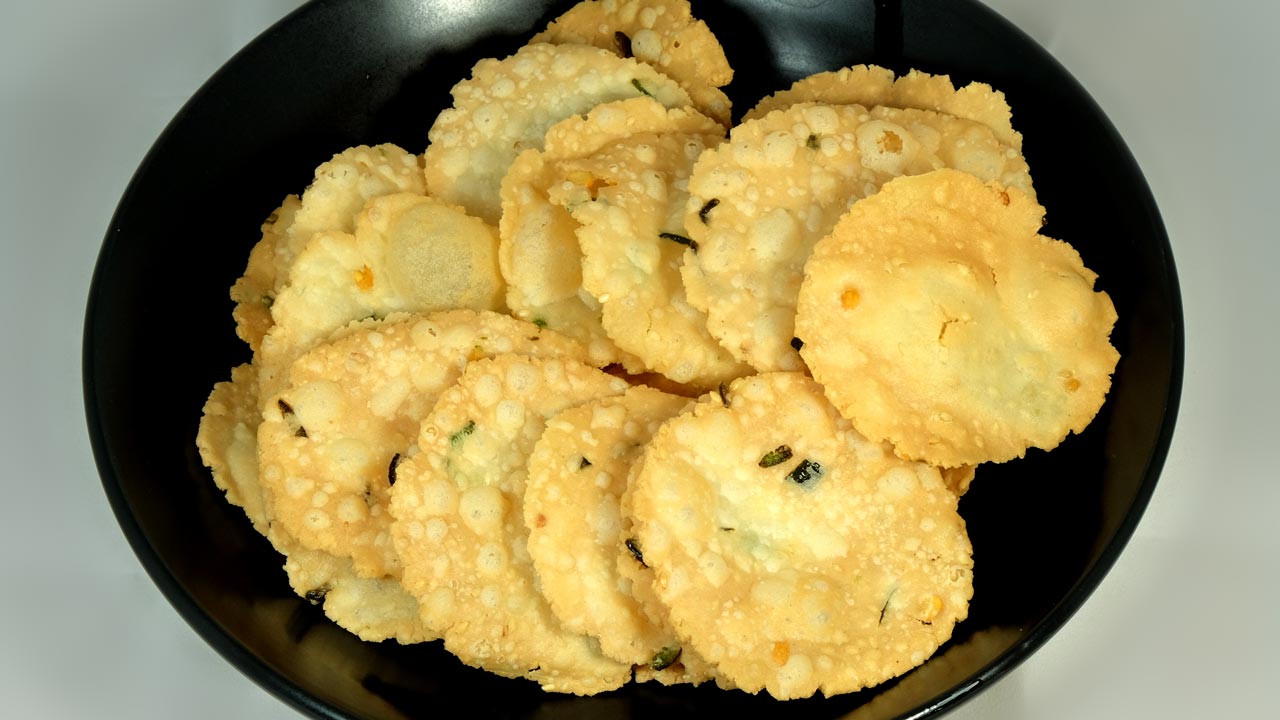

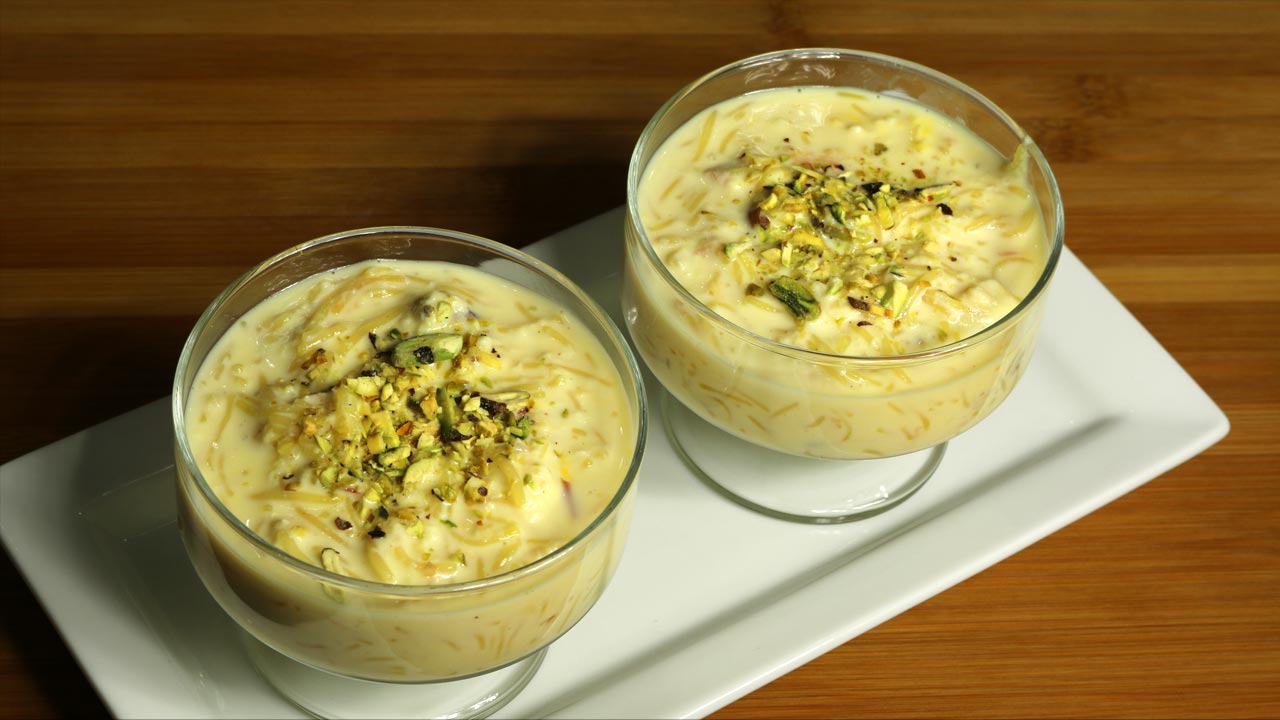

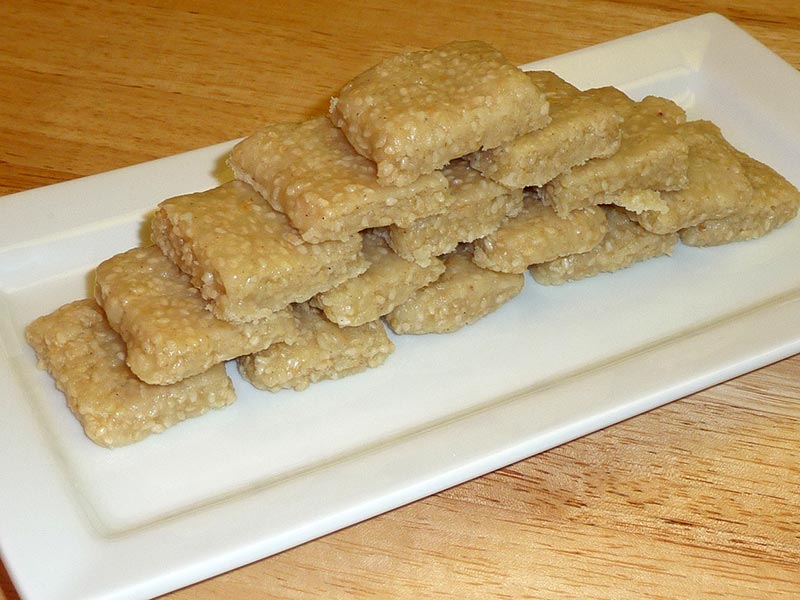


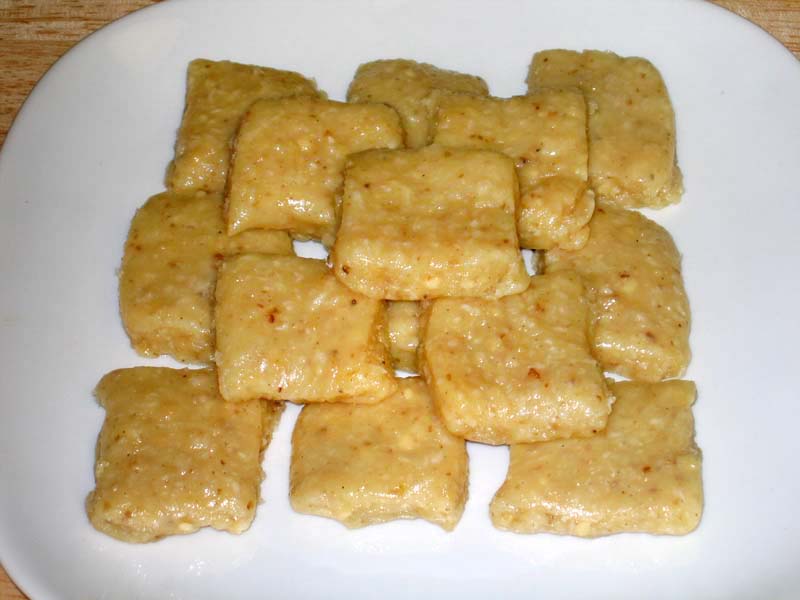
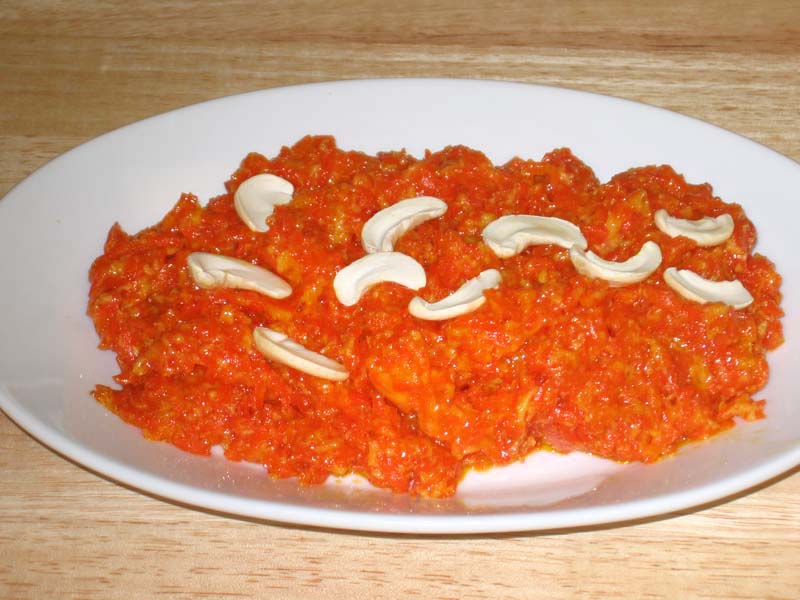
Ugadi, often referred to as the South Indian New Year, is a time of new beginnings, prayers, and of course, a variety of festive dishes. Celebrated primarily in the states of Karnataka, Andhra Pradesh, and Telangana, Ugadi marks the start of the Hindu lunar calendar, and the festival is filled with symbolic rituals and delicious food.
As with most Indian festivals, food plays a pivotal role during Ugadi celebrations. This article will explore some traditional Ugadi dishes, focusing on vegetarian recipes with no onion, garlic, or eggs, making them perfect for Jain and other vegetarian diets.
No Ugadi meal is complete without Ugadi Pachadi, a special dish symbolizing the six different emotions of life. This sweet, sour, spicy, and bitter concoction is made using tamarind, jaggery, neem flowers, salt, and raw mango, representing the different emotions that one might experience throughout the year. It is considered the most symbolic dish of the festival, representing the importance of accepting all aspects of life.
In addition to Ugadi Pachadi, the festival features a variety of wholesome vegetarian dishes. Here are a few of the must-try dishes you can prepare at home:
A popular dish across South India, Pulihora, also known as tamarind rice, is tangy, spicy, and a favorite during festivals. The key ingredients include tamarind, rice, green chilies, and curry leaves. This dish has the perfect balance of flavors and is usually prepared as an offering to the gods before being shared with family and friends.
This delicious sweet flatbread, known as Bobbatlu in Andhra Pradesh and Puran Poli in Maharashtra, is made from jaggery and lentil filling, stuffed inside a dough made from maida or wheat flour. This dessert is a must-have during Ugadi celebrations and pairs wonderfully with a spoonful of ghee. Bobbatlu is soft, flavorful, and perfect for adding a sweet note to the Ugadi feast.
As Ugadi coincides with the beginning of the mango season, dishes featuring raw mango are a highlight of the festival. Mango Rice is one such delicacy. It’s a flavorful combination of tangy raw mango, aromatic spices, and cooked rice, making it a perfect dish for Ugadi celebrations. This is a no-fuss, easy-to-make recipe that bursts with flavor.
Majjiga Pulusu is a traditional South Indian buttermilk stew made with vegetables and spices. It’s light, tangy, and perfect for cooling down after indulging in the spicy flavors of other Ugadi dishes. The stew is made by simmering buttermilk with vegetables like bottle gourd or pumpkin, and spiced with cumin, green chilies, and curry leaves. It’s a refreshing dish that is often served with rice.
A flavorful stew made from brinjals (eggplants), Vankaya Pulusu is a popular dish served during Ugadi. This dish has a tangy and spicy flavor, thanks to tamarind and an array of Indian spices. It pairs perfectly with steamed rice and is a must-have dish in the Ugadi menu for many families.
Apart from the main dishes, Ugadi also features a variety of snacks and sweets that make the festival even more special. Here are some popular ones:
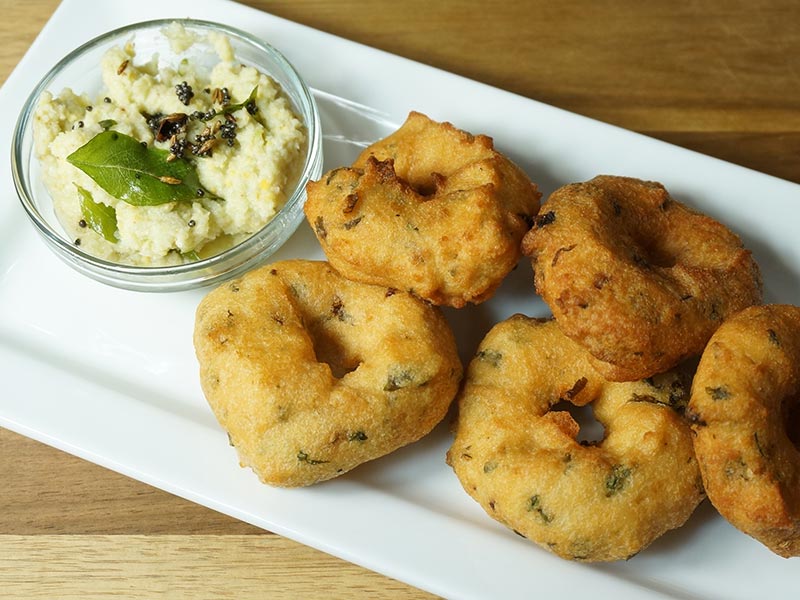
A crispy and savory snack, Garelu or Medu Vada is a must-have on Ugadi. Made from urad dal batter and deep-fried to a golden crisp, these vadas are crispy on the outside and soft on the inside. They’re often served with coconut chutney and are a perfect complement to the main course.
Ariselu is a traditional Andhra sweet made from rice flour and jaggery, deep-fried to a crispy perfection. This sweet is often prepared during festivals and is loved by both children and adults alike. It has a unique texture, and the sweetness from jaggery makes it a delightful treat for Ugadi.
Kajjikayalu are crispy dumplings filled with a mixture of coconut, sugar, and dry fruits. These deep-fried treats are popular during festivals and are similar to North India’s Gujiya. They are crunchy on the outside and have a delicious sweet filling on the inside, making them a favorite during Ugadi celebrations.
The food prepared during Ugadi is not just about taste; it carries deep symbolism. The ingredients used, such as raw mango, jaggery, and tamarind, represent the different experiences one might encounter throughout the year—happiness, sorrow, anger, and surprise. By partaking in the Ugadi meal, individuals symbolically accept the different aspects of life, making Ugadi a festival of acceptance, joy, and hope for the future.
Preparing for Ugadi involves more than just cooking. It’s about cleaning the house, decorating the entrance with fresh mango leaves, and making beautiful rangolis at the doorstep. As part of the traditions, food is prepared early in the morning, with offerings made to the deities before the feast is shared with the family.
One of the best parts about Ugadi dishes is that they are primarily vegetarian, and often, they exclude ingredients like onion and garlic, making them suitable for people who follow specific dietary restrictions. The focus on fresh ingredients like tamarind, jaggery, mango, and rice makes the meal light, flavorful, and nutritious.
Ugadi is not just a celebration of the New Year but also a celebration of food, family, and new beginnings. From the tangy flavors of Pulihora to the sweet delight of Bobbatlu, the festival offers a variety of vegetarian dishes that reflect the culture and traditions of South India. These dishes are perfect for bringing family and friends together to enjoy a meal that symbolizes hope, prosperity, and happiness for the year ahead.
If you’re looking to celebrate Ugadi at home, these recipes will give you a taste of the tradition. Enjoy a wholesome, flavorful meal with these vegetarian recipes that will not only delight your taste buds but also honor the rich cultural heritage of this beautiful festival.

Last Updated: January 2026
Welcome to Manjula’s Kitchen (“Company,” “we,” “our,” or “us”). These Terms & Conditions (“Terms”) govern your access to and use of the website manjulaskitchen.com (the “Website”).
By accessing or using the Website, you agree to be bound by these Terms. If you do not agree, please do not use the Website.
By using this Website, you represent that you have read, understood, and agree to be bound by these Terms and by our Privacy Policy. These Terms apply to all visitors, users, and others who access the Website.
You may use the Website solely for personal, non-commercial purposes. You agree not to:
We reserve the right to restrict or terminate access to the Website for violations of these Terms.
All content on this Website, including but not limited to recipes, text, photographs, videos, graphics, logos, and design elements, is owned by or licensed to Manjula’s Kitchen and is protected by copyright, trademark, and other intellectual property laws.
You may not reproduce, distribute, or create derivative works from our content without express written permission.
If you submit or post content to the Website (including comments, recipes, images, or feedback), you grant Manjula’s Kitchen a non-exclusive, royalty-free, worldwide, perpetual license to use, reproduce, display, and distribute such content.
You represent that:
We reserve the right to remove user content at our discretion.
While we strive to ensure that information on the Website is accurate and up to date, we do not guarantee the completeness, reliability, or accuracy of any content, including recipes, cooking instructions, or nutritional information.
Content is provided for informational purposes only and may change without notice.
The Website may contain links to third-party websites or services. These links are provided for convenience only. We do not control and are not responsible for the content, policies, or practices of third-party websites.
Accessing third-party links is at your own risk.
The Website and its content are provided on an “as is” and “as available” basis without warranties of any kind, express or implied, including but not limited to warranties of accuracy, reliability, or fitness for a particular purpose.
We do not warrant that the Website will be uninterrupted, error-free, or secure.
To the fullest extent permitted by law, Manjula’s Kitchen shall not be liable for any indirect, incidental, consequential, or special damages arising out of or related to your use of the Website or reliance on its content.
Your sole remedy for dissatisfaction with the Website is to discontinue use.
You agree to indemnify and hold harmless Manjula’s Kitchen from any claims, damages, liabilities, or expenses arising out of your use of the Website, violation of these Terms, or infringement of any third-party rights.
These Terms shall be governed by and construed in accordance with the laws of the applicable jurisdiction, without regard to conflict of law principles.
We reserve the right to modify or update these Terms at any time. Changes will be effective immediately upon posting to the Website. Your continued use of the Website constitutes acceptance of the revised Terms.
We may suspend or terminate access to the Website at any time, without notice, for conduct that violates these Terms or is otherwise harmful to us or other users.
If you have any questions regarding these Terms & Conditions, please contact us via the Website’s contact page or at