
Indian spices have their own aroma and taste. The different combination of spices enhances the flavors of each dish.
Ajwain
Asafetida (hing)
Bay leaf (tejpat)
Black pepper (kali mirch)
Black salt (kala namak)
Black cardamom (kali elaichi)
Green cardamom (elaichi)
Cinnamon (dalchini)
Citric acid (nimboo sat)
Cloves (long)
Coriander (dhaniya)
Corn Starch
Cumin seeds (jeera)
Ginger powder (adrak)
Fenugreek seeds (methi)
Fenugreek dry leaves (methi pata)
Fennel seeds (saunf)
Mango powder (amchoor)
Mustard seeds (rai)
Paprika
Red chili (lal mirch)
Saffron (kesar)
Tamarind (imli)
Turmeric (haldi)
Most of the spices used in Indian food have been used for their medicinal properties in addition to the unique flavor they impart.
AJWAIN (also known as carom seeds)
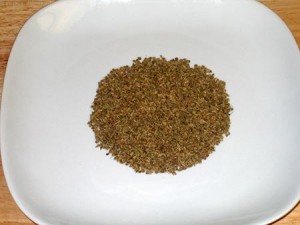
Ajwain look and smell much like cumin seeds, Ajwain seeds are pungent. Ajwain compliments dals, breads and root vegetables. They also comfort diarrhea and stomach pains.
Back to Top
ASAFETIDA (hing)
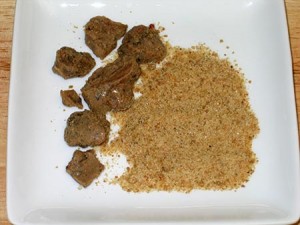
Asafetida (Hing) is very essential ingredient in Indian vegetarian cooking. Hing has very strong and unique smell and flavor. If this is used too much smell can be unpleasant. It is used in Ayurvedic medicine and good for digestive system.
Back to Top
BAY LEAVES (Tejpat
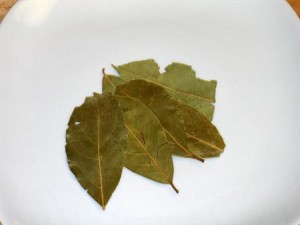
Bay leaf is the aromatic leaf and used as a herb to flavor the dishes.
Back to Top
BLACK PEPPER (kali mirch)
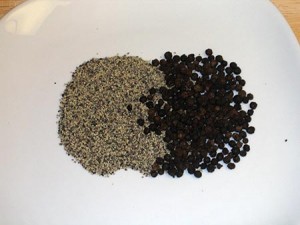
Originated in India, Black pepper is used around the world to flavor all different kinds of food.
Back to Top
BLACK SALT (Kala namak)
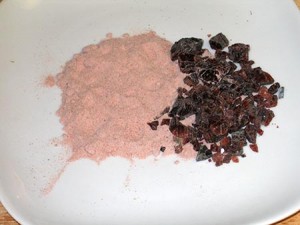
Black salt (Kala namak) is used extensively in Indian cusine as well as in Ayurvedic medicine. Kala namk has a distinctive taste. It is used in chutneys, raitas, provides the tangy fresh flavor in chaat and many other snacks. It is often used by people with high blood pressure or on low-salt diets because it does not contain significant amounts of sodium. It is also believed to relieve both heartburn and flatulence.
Back to Top
BLACK CARDAMOM (Kali elaichi)
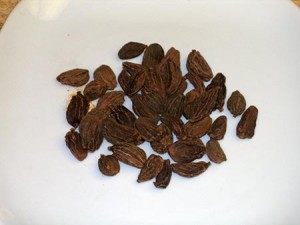
Black cardmom is originated from southern India. Black cardmom is an important ingredient of the Indian spice mixture Garam Masala. Black cardmom is also used in dal and rice dishes.
Back to Top
GREEN CARDAMOM (Elachi)
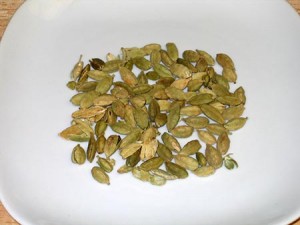
Green Caradmom is mostly used in sweets to give nice aroma and flavor.
Back to Top
CINNAMON (Dalchini)
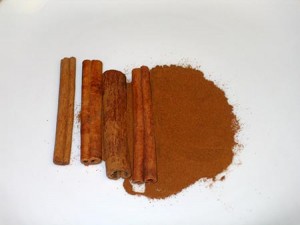
The sweet aroma and warm taste of cinnamon make very unique spice for cooking or baking. Cinnamon‘s has unique anti-clotting actions and is used to control blood sugar.
Back to Top
CITRIC ACID (Nimboo sat)
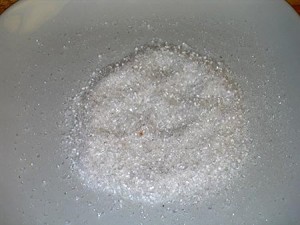
Citric acid is made from citrus fruits. Lemons and limes have high concentrations of citric acid, accounting for their bitter taste. Oranges and tangerines are also high in citric acid. Citric acid is high in vitamin C. It is commonly used to flavor a variety of drinks, candies.
Back to Top
CLOVES (Long)
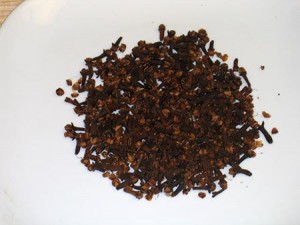
India’s traditional Ayurvedic healers have used Cloves since ancient times to treat respiratory and digestive ailments. Cloves are said to have a positive effect on stomach ulcers, vomiting, flatulence, and to stimulate the digestive system. It has powerful local antiseptic and mild anesthetic actions.
Back to Top
CORIANDER (Dhania)
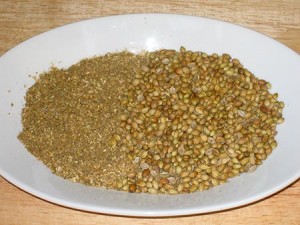
Coriander seed is generally used coarsely ground or more finely powdered, depending on the texture desired. It is best bought whole as, being brittle, it is easy to mill or pound in a mortar. Ground coriander is apt to lose its flavor and aroma quickly. The most common use of coriander seed is in curry powders. Coriander is an ingredient of garam masala, pickling spices. Coriander seed oil is an aromatic stimulant, a carminative (remedial in flatulence), an appetizer and a digestive stimulating the stomach and intestines. It is generally beneficial to the nervous system.
Back to TopCORN STARCH
Cornstarch is often used as a binder. It can be used as a thickener in many recipes, can be replace with Arrowroot.
Back to Top
CUMIN SEED (Jeera)
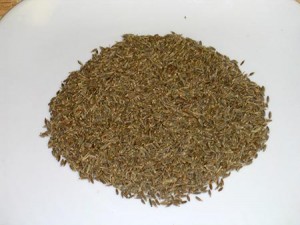
This is my very essential herb for cooking. It is very aromatic, used in Ayurvedic medicine in India. It is sad that cumin seed helps in headaches, nausea and liver problems.
Back to Top
GINGER (Adrak)
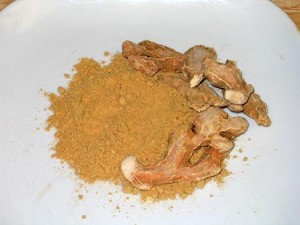
Fresh ginger added to tea is believed to relive sore throats and head colds.
Ginger is used in cooking, pickles and drinks. It is valuable for disorders of the digestive system.
Back to TopFENUGREEK (Methi)
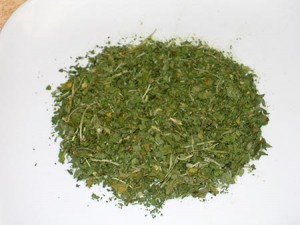
Fenugreek is used both as an herb(the leaves) and as a spice(the seed). The yellow colored fenugreek seed, commonly called Methi, is frequently used in the preparation of pickles and curry powders. The young leaves and sprouts of fenugreek are eaten as greens. Fresh or dried leaves are used to flavor dishes. Fenugreek is mainly used as digestive aid. It is ideal for treating sinus, lung congestion, reduces inflammation and fights infection.
Back to TopFENNEL SEED (Saunf)
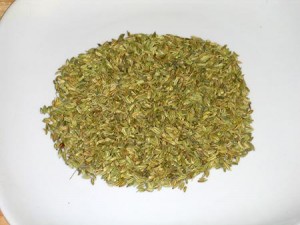
The bulb, foliage, and seeds of the fennel plant are widely used in many of the culinary traditions of the world. Dried fennel seed is an aromatic, It is commonly used to treat asthma, bronchitis, colic disease, food poisoning and motion sickness.
Back to TopMANGO POWDER (Amchoor)
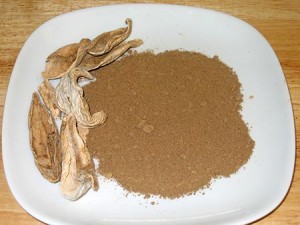
Mango powder is made from raw green mangoes that are cut, sun-dried, and pounded into powder. Mango powder is used much like lemon. But it gives food a tangy, sour taste without adding moisture. Its tart flavor is used as a souring agent in soups, dals, vegetable dishes and chutneys.
Back to TopMUSTARD SEED (Rai)
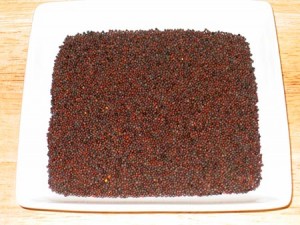
Dry mustard seed has no aroma but hot flavor is released when this mixes with water. It is often used in Indian cooking specially for pickling.
Back to TopPAPRIKA (Dagi mirch)
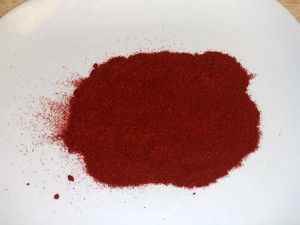
In India, a similar powdered spice comes from a fruit locally called ‘deghi mirchi‘ The seasoning is used in many cuisines to add colour and flavour to dishes.
Back to TopRED CHILI (Lal mirch)
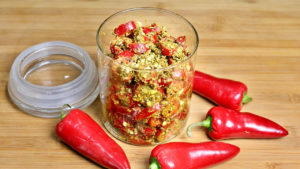
Red chilies are used in Indian cooking as one of the main spice. Red chilies are used whole, crushed or in powder form. Sun dried red chilies vary from red to blackish brown in color. Red chilies comes in many variets some are hotter then other. The intense heat of the chili is concentrated in the seeds.
Back to TopSAFFRON (Kesar)
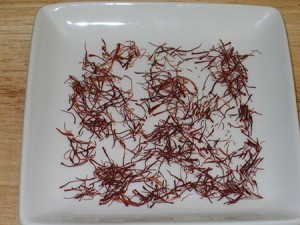
Saffron offers the distinctive aroma and taste. Saffron is used in cooking as a seasoning and coloring agent. Saffron oil has therapeutic properties. In India saffron is used in winter because it provide heat.
Back to TopTAMARIND ( Imli)

Tamarind’s acidic, juicy pulp is used to flavor a variety of foods. It is used as a souring agent in Indian lentil dishes, curries and chutneys, where its flavor is more authentic than vinegar or lemon juice. Tamarind is considered a mild laxative and digestive.
Back to TopTURMERIC (Haldi)
Turmeric is an ancient spice, a native of South East Asia, commonly used in curries, dyes, and as a condiment. It is still used in rituals of the Hindu religion. Turmeric is a mild digestive. An ointment base on the spice is used as an antiseptic. Turmeric water is an Asian cosmetic applied to impart a golden glow to the complexion. Turmeric is splendid against skin diseases.